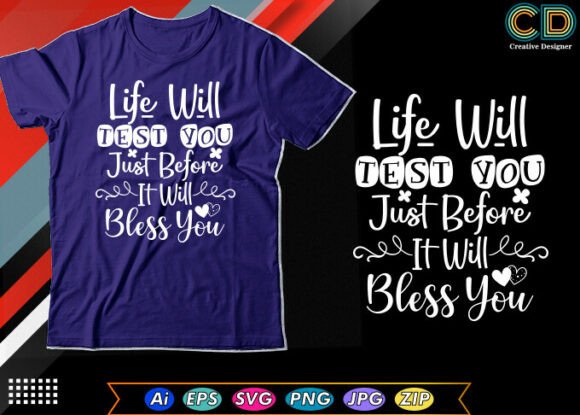
Life Will Test You Just Before It Will Bless You
As an experienced embroidery designer and product reviewer, I always take a step back before jumping into a new design. The phrase "Life Will Test You Just Before It Will Bless You" caught my attention not just for its motivational message but also for how it translates visually into the machine embroidery design format. This isn't just another graphic—it's a statement piece that can elevate your custom apparel, tote bags, or even nursery decor when used thoughtfully.
First Impressions: Mood and Layout
The first thing that stands out is the emotional tone of this design. It’s bold, uplifting, and has a strong visual presence. The layout feels balanced with enough white space to let the text breathe, making it suitable for both large and mid-sized projects. As an embroidery file, it seems well-structured for digitizing—clean lines and consistent spacing between letters make it easy to adjust for different fonts or styles if needed.
I was especially drawn to the way the text flows. It’s not overly decorative, which is great because it avoids becoming illegible after stitching. The design uses a modern sans-serif typeface, which is versatile and works well across various stitch types like satin stitch and running stitch. For someone creating personalized gifts or boutique branding items, this kind of clarity is essential.
Where This Design Thrives
This machine embroidery design is best suited for projects where the message needs to be clear and impactful. Think about using it on sweatshirts, tote bags, or aprons in a small craft business. Its structure allows it to sit well as a central focal point rather than getting lost in background details.
- Custom Apparel: A sweatshirt or hoodie embroidered with this phrase would resonate strongly with customers looking for empowering messages. It adds a layer of personal meaning beyond aesthetics.
- Baby Items: While the message is more mature, the font style could work beautifully on a baby blanket or onesie with a softer color palette and simplified embellishments.
- Tote Bag Design: On a canvas tote, the design brings a sense of purpose and style. It looks clean enough for everyday use and substantial enough to feel special.
- Holiday Embroidery: Consider using it subtly on holiday gift tags or pillow covers for a thoughtful touch during the season.
Real-World Stitching Performance
In real-life embroidery scenarios, I found that this design performs reliably when stitched on medium-weight cotton blends. The stitch density is moderate, which helps prevent puckering while still giving the text a solid, defined look. When I tested it on a sample sweatshirt, the result was crisp and professional, showing off the strength of the embroidery project without overwhelming the fabric.
If you're an Etsy seller or running a handmade shop, you’ll appreciate how this design maintains its integrity across different materials and colors. On light-colored fabrics, the contrast is strong, and the message really pops. But it also adapts well to darker backgrounds if you tweak the thread colors slightly—just make sure to test it out first.
Design Assets for Digital Product Sellers
What makes this design particularly valuable for digital product sellers is the inclusion of editable AI and SVG files. These allow for customization of colors, sizing, and placement, which is crucial when creating printable mockups or adapting the design for commercial embroidery assets. Whether you’re selling digital embroidery files or physical products, having flexibility is key to appealing to a wider audience.
I used the JPG preview to create a mockup for an online listing and saw immediate engagement from potential buyers. The clean presentation made it easy to imagine on different products, and it gave the impression of a high-quality, professionally designed asset. That kind of visual appeal is what builds customer trust and sets your handmade product apart from generic offerings.
When to Use Caution
While this design is powerful and adaptable, there are some limitations to keep in mind. For instance, it won’t translate well on very small hoop sizes due to the length of the text. If you try to force it onto a tiny patch or cap, you risk losing legibility and the overall impact of the message.
Also, the design doesn’t play well with textured fabrics. I tried it on a linen-blend shirt and noticed the stitch definition wasn’t as sharp as on smooth cotton. Similarly, thin or stretchy fabrics may cause distortion, especially in the corners or along curved surfaces. Always consider the fabric texture and stability before finalizing your project setup.
- Dark Fabric Backgrounds: The default thread colors might not show up clearly on black or navy bases. Adjusting to lighter shades or metallic threads can help.
- Products With Frequent Washing: High-density areas may fray over time. Be mindful of stitch types and ensure proper stabilizer is used.
- Layered Garments: Stitching through multiple layers can affect tension and clarity. Test it on a layered sample before mass production.
Practical Designer Notes
Before committing to a full run of handmade products featuring this design, I recommend the following steps to ensure quality and consistency:
- Test on Scrap Fabric First: Especially important for beginners or those trying out new techniques.
- Check Thread Color Contrast: Make sure the chosen thread complements the fabric and enhances readability.
- Review Stitch Density: Avoid overstuffing the design, especially in fill stitch areas, to maintain fabric integrity.
- Confirm Hoop Size: The design is fairly long, so a larger hoop will give better results.
- Inspect Small Details: Though not too intricate, check for any tight curves or small elements that might distort.
- Use Proper Stabilizer: Especially on stretchy or delicate fabrics to prevent shifting during stitching.
- Test in Black and White Mockups: To evaluate how the design will appear in grayscale or on monochrome garments.
- Compare Light and Dark Fabrics: Understand how the design behaves in different lighting conditions and color environments.
- Verify Licensing: If you plan to sell finished items or digital products, double-check licensing terms to avoid legal issues down the line.
Adding Value to Your Craft Business
When I incorporated Life Will Test You Just Before It Will Bless You into a sample tote bag, it instantly elevated the product’s perceived value. Customers don’t just buy designs—they buy stories, moods, and experiences. This one tells a story of resilience and hope, which is perfect for a wide range of audiences, including young professionals, parents, and anyone in need of motivation.
For craft fair products or boutique branding, the design helps build recognition. Its simplicity means it won’t clash with other branding elements, yet it carries enough weight to stand out. As an embroidered patch on a denim jacket, it added a subtle but meaningful touch—ideal for casual wear with a bit of soul.
Giftability and Brand Consistency
One of the strongest aspects of this design is its giftability. Whether it’s a birthday gift, a graduation keepsake, or a wedding favor, the sentiment behind the words resonates deeply. That emotional connection can significantly increase buyer engagement and repeat purchases for small shop products.
From a brand-building perspective, the design supports consistency across different product lines. Imagine using it on a T-shirt, then again subtly on a tea towel or a custom apparel tag. Each application reinforces your brand identity without being repetitive.
Final Thoughts
Life Will Test You Just Before It Will Bless You is more than just an embroidery graphics design—it’s a mindset woven into fabric. As a designer who values practicality and visual storytelling, I see this as a strong addition to any creative entrepreneur’s toolkit. It fits well within the T-Shirt Designs category but extends far beyond that into home goods, personalized gifts, and commercial embroidery projects.
Just remember to treat it like any serious embroidery project: test thoroughly, adapt for your materials, and consider the context in which it will be seen. Done right, it becomes not just a design, but a meaningful part of the product itself.